by Dean Cheong
Share
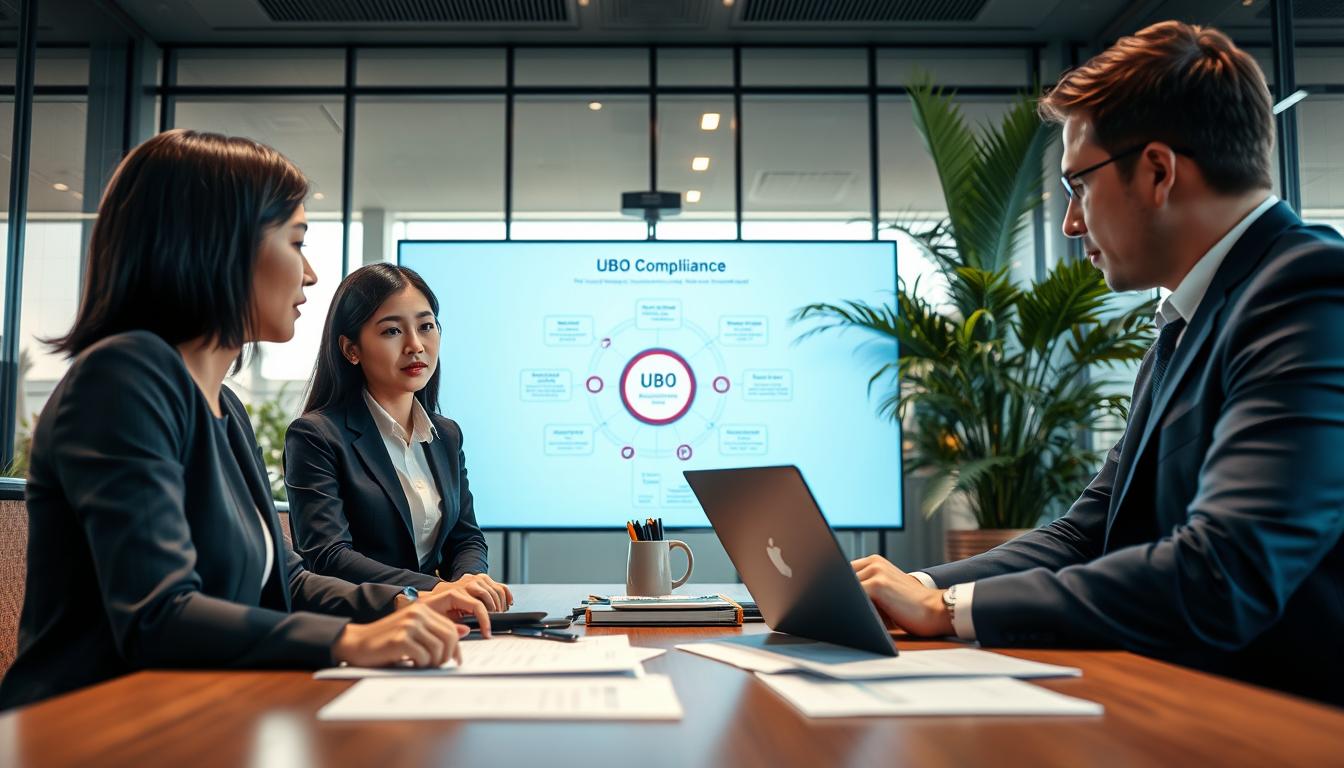
Did you know over 90% of regulatory inquiries in Singapore come from bad corporate ownership records? Keeping things clear is not just the law. It’s what makes a company stable and trustworthy.
Finding out who your UBO is is key for any business in Singapore. Knowing who has the final say helps avoid trouble and fines.
We see following rules as a smart move, not just a task. Getting good at these reports keeps your business strong for the future.
We’re here to make things easier for you. Understanding ACRA’s rules is simpler when you know the basics of showing who owns what. Let us help you stay on top while you grow your business with confidence.
Understanding UBO Requirements in Singapore
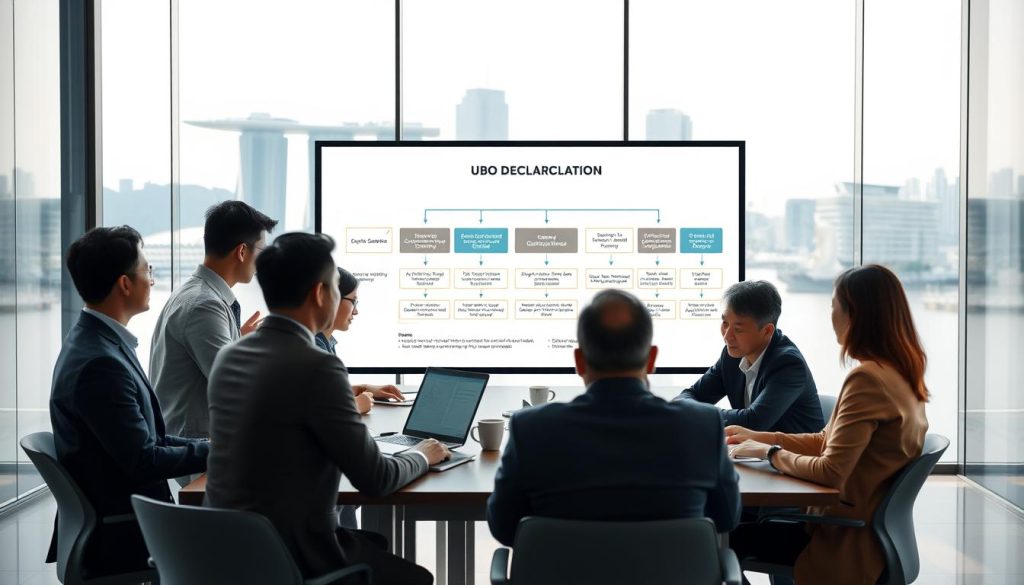
Transparency is key in Singapore’s business world. Companies must be clear about who owns them. This keeps their operations honest.
Defining the Ultimate Beneficial Owner
The Financial Action Task Force (FATF) sets the global standard for UBOs. They say a UBO is the person who really owns or controls a business. Or the one who makes a deal on someone else’s behalf.
“Beneficial ownership transparency is essential to prevent the misuse of corporate vehicles for illicit purposes.”
A UBO must always be a real person. Legal entities or shell companies can’t be the final owners.
Legal Obligations for Singapore Entities
Singaporean companies must keep an up-to-date list of their controllers. This helps the government find out who really owns them.
Following these rules helps companies avoid risks. Keeping a correct UBO register is a legal must for all businesses.
Why Transparency Matters for Regulatory Compliance
Clear ownership data fights financial crimes like money laundering. When companies are open, they earn trust from regulators and banks.
This openness lets companies focus on their goals without fear of fines. By being compliant, they protect their reputation and stay stable in the competitive Singapore market.
Preparing Necessary Documentation for UBO Disclosure
Getting ready for UBO disclosure is key to staying in line with ACRA rules. Organizing your papers early helps avoid trouble. This way, you can focus on your business without worry.
Gathering Identification Documents
To find a UBO, you need to gather ID papers for those in control. This includes a passport or a Singapore NRIC for locals. Also, keep proof of where they live to keep the info up to date.
Verifying Shareholding and Control Structures
Ownership chains can hide who really controls a company. You must check who owns more than 25% of shares or votes. This step is crucial for being open and ready for new business chances.
Maintaining the Register of Registrable Controllers
Every Singapore company must have a Register of Registrable Controllers (RORC) from the start. This register holds your UBO info. Keeping it current is a must to avoid fines.
Requirements for Private Limited Companies
Private companies need to list who has big influence over them. Note when each person became a controller. Keep all important documents safe and easy to find.
Requirements for Foreign Companies
Foreign companies in Singapore must follow strict rules too. You need to find the UBOs of the parent company if it controls the branch. Keeping these records helps your business grow in a safe way.
Step-by-Step Process to Declare a UBO to ACRA
Keeping records up to date is key for companies wanting to grow without legal trouble. By following a clear plan, you can make sure your UBO filings are done right.
Accessing the BizFile+ Portal
The BizFile+ portal is where you file all your regulatory stuff in Singapore. You need your Singpass to log in. Make sure you have the right to file for your company.
Navigating the Filing Interface
After logging in, find the Register of Registrable Controllers module. The interface helps you fill out the needed info step by step. Double-check the dashboard to pick the right filing type for your company.
Inputting Controller Details Accurately
When you enter your UBO’s info, be precise. You need to give full names, ID numbers, and what kind of control they have. Any mistakes can cause delays or questions from the authorities.
Submitting the Declaration and Receiving Confirmation
After checking your info, submit your filing. You’ll get a confirmation notice when it’s done. Keep a digital copy of this notice for your records.
Updating Records Upon Changes in Ownership
Keeping up with compliance is not just a one-time thing. You must update your UBO info within seven days of any changes. Being proactive helps your company grow and stay compliant with ACRA.
Common Compliance Pitfalls and How to Avoid Them
Keeping up with regulations is key to protecting your business. It helps avoid legal problems. Knowing the risks early lets you set up strong controls to stay compliant.
Misinterpreting Control Thresholds
Many make a big mistake by not understanding control well. They only look at direct shares, missing indirect control. It’s important to find every UBO who has 25% or more to keep your records right.
Failing to Update the Register Timely
ACRA is changing laws to make keeping UBO info easier. Not updating quickly can cause big problems. We suggest checking your ownership every quarter to stay on top of changes.
Inadequate Record-Keeping Practices
Good compliance needs clear records of who owns what. Many struggle with keeping these records in one place. Using digital systems for these records helps show you’re following the rules when asked.
Consequences of Non-Compliance with ACRA
Not following the rules can cost a lot and hurt your reputation. ACRA is strict about UBO data to stop bad money moves. Following these rules helps avoid fines and keeps trust with others.
Conclusion
Managing your UBO data well is key to success in Singapore. It keeps your company safe from legal issues. It also builds trust with others.
Being open about your UBO shows you care about good business practices. Keeping your reports up to date helps you stay in ACRA’s good books. This lets your team focus on growing and improving.
Make sure to check your UBO info often. This keeps you from missing important deadlines. If you need help, our team is here to assist you.
FAQ
What is the official definition of an Ultimate Beneficial Owner (UBO) in Singapore?
When must a company establish its Register of Registrable Controllers (RORC)?
How soon must changes to controller information be updated in the registry?
What are the risks of misinterpreting control thresholds during a declaration?
Are there upcoming legislative changes regarding beneficial ownership information?
How does proper UBO documentation serve as a tool for risk mitigation?
What guidance is available for verifying complex shareholding structures in private and foreign companies?
How can a firm protect its long-term operations from the consequences of regulatory oversight?
Simplify your business compliance today.
Navigating Singapore’s regulatory landscape doesn’t have to be a solo journey. From seamless incorporation to complex tax advisory, Hub is the partner you can count on. Call us today at +65 8121 2113
STAY IN THE LOOP
Subscribe to our free newsletter.

Of all the statutory deadlines a Singapore company director must [...]

Did you know that a single in-house bookkeeping hire in [...]